
Master Anti-Inflammatory Cooking Techniques
Learn how the right cooking methods preserve nutrients and reduce inflammatory compounds in your everyday meals. Discover evidence-based techniques used by nutrition professionals worldwide.
The information on this site is for educational purposes only and does not constitute medical advice. Always consult a qualified healthcare professional before making health decisions.
Impact by the Numbers
Nutrient retention improvement with proper low-heat steaming versus boiling
Optimal temperature for gentle water-based cooking methods
Primary anti-inflammatory cooking methods covered in our guides
Increased polyphenol preservation with enzyme-friendly raw preparation
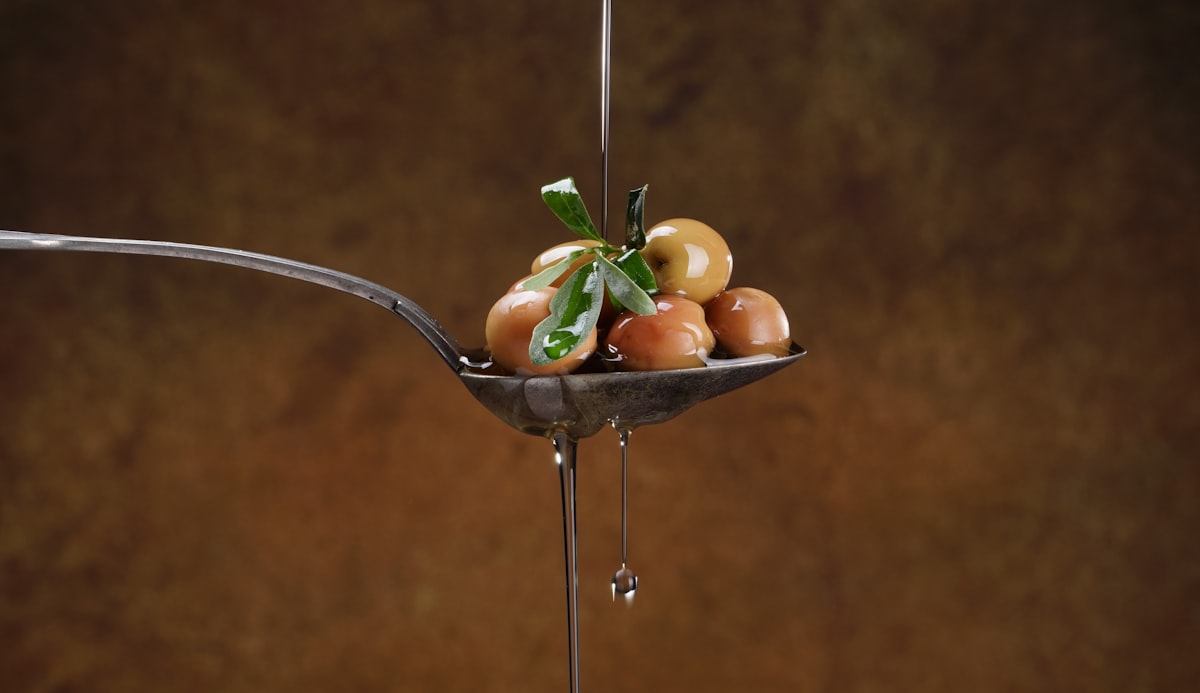
Why Cooking Methods Matter for Inflammation
The way you prepare food is just as important as what you eat. High-heat cooking methods like deep frying and charring can create compounds called Advanced Glycation End products (AGEs), which research suggests may promote inflammatory responses in the body.
Gentle cooking techniques—such as steaming, poaching, and low-temperature baking—preserve heat-sensitive vitamins and phytonutrients while minimizing the formation of potentially pro-inflammatory compounds. Understanding these methods transforms your kitchen into a wellness space.
Our comprehensive guides walk you through each technique, explaining the science behind why certain methods work, what foods benefit most, and how to adapt your favorite recipes for maximum nutrient retention.
5-Step Guide to Anti-Inflammatory Preparation
Select Your Ingredients Mindfully
Begin with whole, minimally processed foods. Choose seasonal vegetables, quality proteins, and healthy fats. Raw ingredients set the foundation—pre-cut or pre-cooked items often contain preservatives that may trigger inflammatory responses. Wash produce gently and handle with care to avoid damaging delicate cell structures.
Prep with Gentle Techniques
Use sharp knives for clean cuts that minimize cellular damage. Consider the size of your pieces—smaller pieces cook faster at lower temperatures, reducing nutrient loss. Soak beans and grains properly to reduce anti-nutrients like phytic acid. Avoid rough chopping or blending immediately before cooking, as this oxidizes beneficial compounds.
Choose the Right Cooking Method
Match your cooking technique to the ingredient. Delicate vegetables and fish benefit from steaming or poaching. Root vegetables suit gentle roasting at lower temperatures. Grains cook beautifully using the absorption method with minimal water loss. Each food type has an optimal temperature range—staying within this range preserves nutrients while developing natural flavors.
Monitor Time and Temperature Carefully
Use a kitchen thermometer to ensure accuracy. Most anti-inflammatory cooking occurs between 60–80°C for delicate preparations and up to 100°C for heartier dishes. Shorter cooking times preserve more nutrients—aim for tender-crisp vegetables rather than soft ones. Set timers to avoid overcooking, which increases the formation of undesirable compounds.
Finish and Serve Strategically
Serve immediately after cooking to maximize nutrient content. Add fresh herbs, quality oils, and citrus juice just before eating—this preserves heat-sensitive vitamins like vitamin C. Pair cooked foods with raw elements when possible to introduce living enzymes. Consider how you store leftovers; proper cooling and refrigeration maintains nutritional value for future meals.
Featured Cooking Method Courses
Steaming & Poaching
Master the art of gentle, water-based cooking. Learn how steam preserves cellular structure and nutrients while creating tender, flavorful dishes. Discover timing tricks for different vegetables, proteins, and grains.
Explore MethodSlow Roasting
Low-temperature roasting concentrates flavors without creating harmful compounds. Learn temperature control, timing strategies, and which ingredients benefit most from this gentle dry-heat approach.
Explore MethodEnzyme-Friendly Raw Prep
Maximize living enzymes and heat-sensitive nutrients through intelligent raw preparation. Understand sprouting, proper storage, and food combinations that enhance nutrient absorption.
Explore MethodGentle Simmering
Create deeply flavored broths, soups, and stews that extract minerals while preserving nutrients. Learn timing, temperature control, and how to build complex flavors with minimal heat damage.
Explore MethodWater Bath Cooking
Sous-vide and water bath methods deliver precise temperature control. Explore how consistent, gentle heat creates perfectly cooked results while retaining moisture and nutrients at the cellular level.
Explore MethodFermentation Basics
Unlock beneficial bacteria and enzymes through fermentation. Learn how this ancient preservation method increases nutrient bioavailability and creates probiotic-rich foods for digestive wellness.
Explore MethodVisual Recipe Inspiration
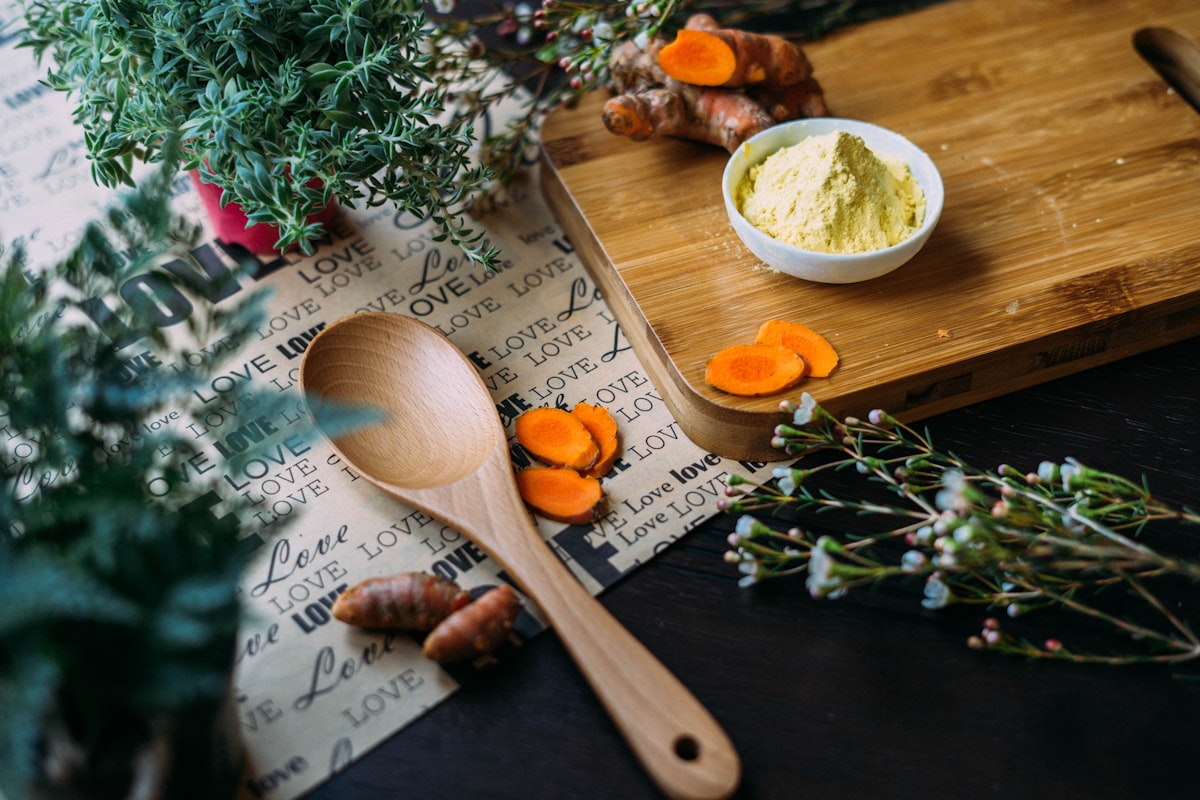
Steamed Vegetable Medley
Discover how layering vegetables by cooking time creates perfectly tender results while preserving vibrant colors and nutrients. Includes timing guide and herb pairing suggestions.
Read Full Guide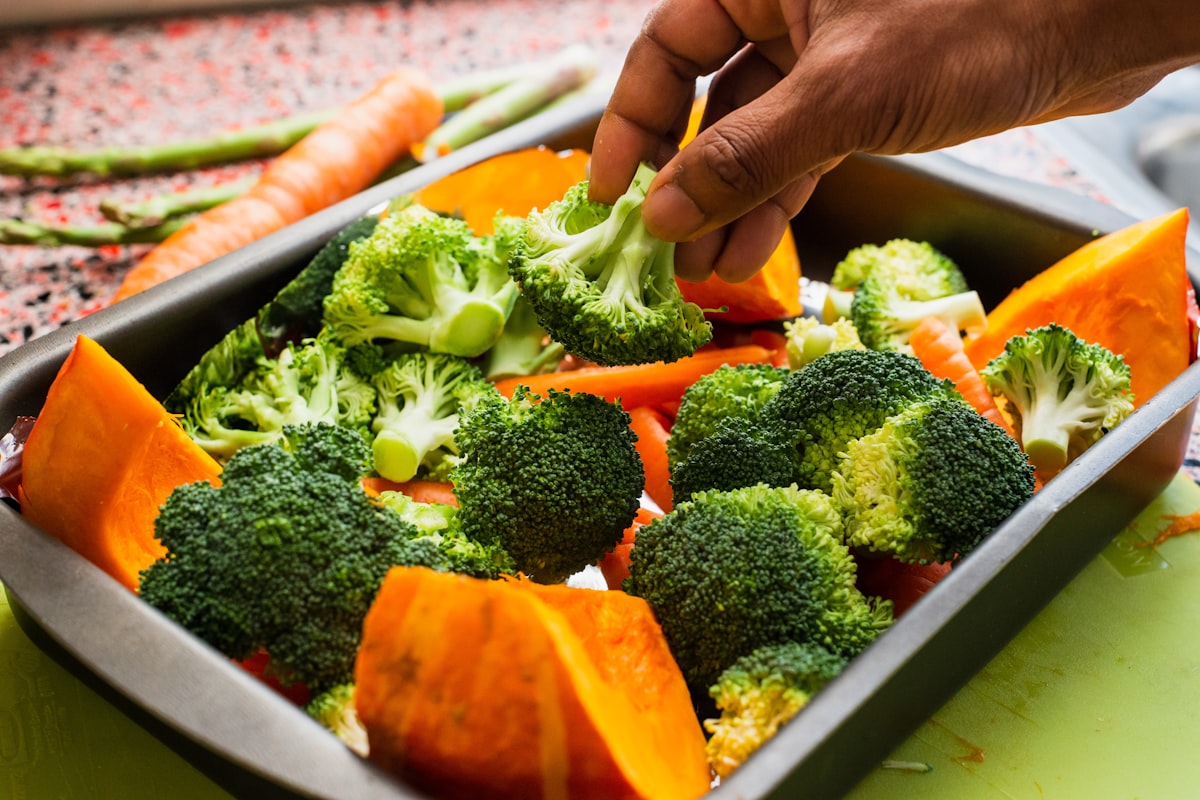
Slow-Roasted Root Vegetables
Learn the gentle roasting temperature that caramelizes natural sugars without creating inflammatory compounds. Perfect side dish for any meal with minimal preparation.
Explore Recipes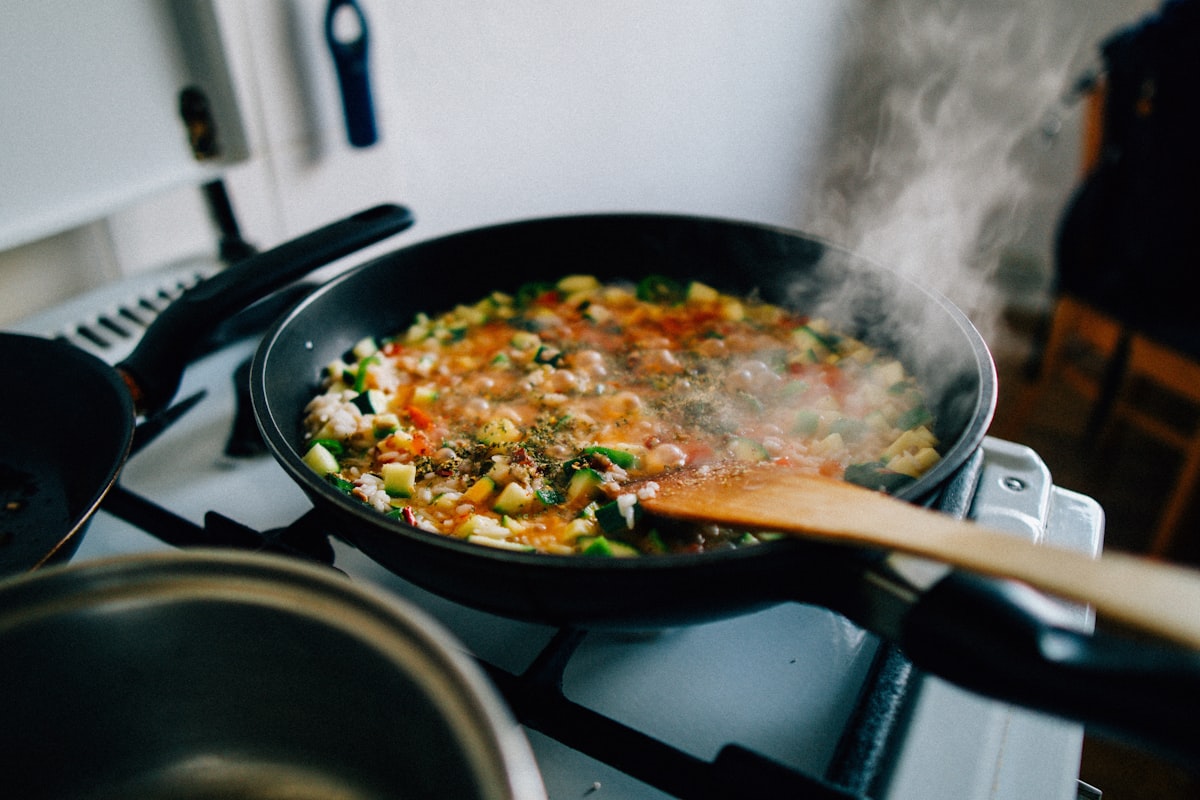
Nourishing Bone Broth
Master the low-simmer technique that extracts minerals and collagen while preserving amino acid structures. Learn storage methods and creative uses in everyday cooking.
Read Full Article
Fermented Vegetable Guide
No cooking required—unlock beneficial bacteria through fermentation. Detailed steps for creating probiotic-rich foods at home with minimal equipment and ingredients.
Try RecipesCommon Questions About Anti-Inflammatory Cooking
What temperature is considered "gentle" cooking?
Most gentle cooking occurs between 60–80°C (140–176°F). This range preserves heat-sensitive vitamins like vitamin C while still creating food safety. For heartier preparations, you can go up to 100°C (212°F). Always use a reliable kitchen thermometer to monitor accurately. Steaming and poaching work best at 70–75°C, while slow roasting uses 120–140°C.
How long should I cook vegetables to preserve nutrients?
Aim for tender-crisp texture rather than fully soft vegetables. This typically takes 5–12 minutes depending on size and type. Smaller pieces cook faster and with less nutrient loss. Broccoli and spinach need only 3–5 minutes, while carrots and beets may take 10–15 minutes. Stop cooking immediately and transfer to cold water if you want to halt the cooking process and set the vibrant color.
Can I use these methods with all types of proteins?
Yes, but methods vary by protein type. Delicate fish cook beautifully with steaming or gentle poaching at 60–65°C. Chicken benefits from water bath cooking at 63–68°C depending on cuts. Tougher cuts of beef and lamb suit gentle simmering or slow braising at 75–85°C for extended periods. Plant-based proteins like tofu and legumes work well with steaming and simmering. Always match the method to the protein's natural characteristics.
Does steaming remove flavor from food?
No—steaming actually concentrates natural flavors because it avoids water dilution that occurs with boiling. However, you need to season thoughtfully. Add aromatic elements to the steaming water: herbs like dill or tarragon, sliced ginger, garlic, or vegetable scraps. Finish steamed foods with quality olive oil, fresh lemon juice, and fresh herbs right before serving to enhance flavors significantly.
Is fermentation a cooking method?
Fermentation is not cooking—it's a preservation and preparation method that occurs at room temperature. Beneficial bacteria break down food components, increasing nutrient bioavailability and creating probiotic content. This is why fermented foods are so valuable: you gain nutritional benefits without heat damage. Fermentation also reduces anti-nutrients and increases enzyme content, making nutrients more absorbable by your body.
What equipment do I need to get started?
Start simple: a reliable kitchen thermometer is essential for monitoring temperatures. A good-quality steamer basket or bamboo steamer handles steaming easily. For poaching, you need just a wide, shallow pan. Slow roasting requires an oven-safe dish and reliable oven thermometer. Consider an instant-read thermometer for proteins. Water bath cooking can use a simple pot of water. Most anti-inflammatory techniques use basic kitchen tools—you don't need expensive equipment to get excellent results.
Student Success Stories
"Learning about gentle cooking methods completely changed how I approach meal preparation. I now understand why my previous cooking habits were causing digestive issues. The step-by-step guides made it easy to implement these techniques immediately. My energy levels have improved noticeably, and my family actually enjoys the food more!"
Siti Rahman
Jakarta, Indonesia
"I was skeptical about whether changing my cooking methods would make a real difference. After implementing the steaming and slow roasting techniques from the articles, I noticed my digestion improved within two weeks. The detailed explanations helped me understand the 'why' behind each method, not just the 'how.' This approach feels sustainable."
Budi Santoso
Bandung, Indonesia
"The fermentation guide was a game-changer for me. I never knew how simple it was to create probiotic-rich foods at home. The recipe explanations are clear and practical, and I love that I can adapt them to my family's preferences. My kids are even excited about eating vegetables now that I'm preparing them this way!"
Dewi Kusuma
Surabaya, Indonesia
Start Your Cooking Transformation Today
Join thousands of families discovering the joy of healthy, delicious cooking with our comprehensive guide and video tutorials.
100% Money-Back Guarantee • Lifetime Access • No Hidden Fees
Frequently Asked Questions
What's included in the guide?
Our comprehensive guide includes 50+ recipes, meal planning templates, nutritional information, shopping lists, and detailed preparation instructions for every recipe.
Do I need cooking experience?
Not at all! Our recipes are designed for beginners. We provide step-by-step instructions and video tutorials to guide you through each dish.
Can I access the content on mobile?
Yes! All materials are optimized for mobile and tablet devices, so you can access recipes and videos while shopping or cooking in the kitchen.
Is there a refund policy?
We offer a 60-day money-back guarantee. If you're not satisfied, simply contact us for a full refund, no questions asked.
How often is the content updated?
We add new recipes and seasonal content monthly. Once you purchase, you'll have lifetime access to all current and future updates at no additional cost.
Can I share with family members?
Your account is for personal use. However, you can download and print recipes to share with family, or they can purchase their own account for full access.