
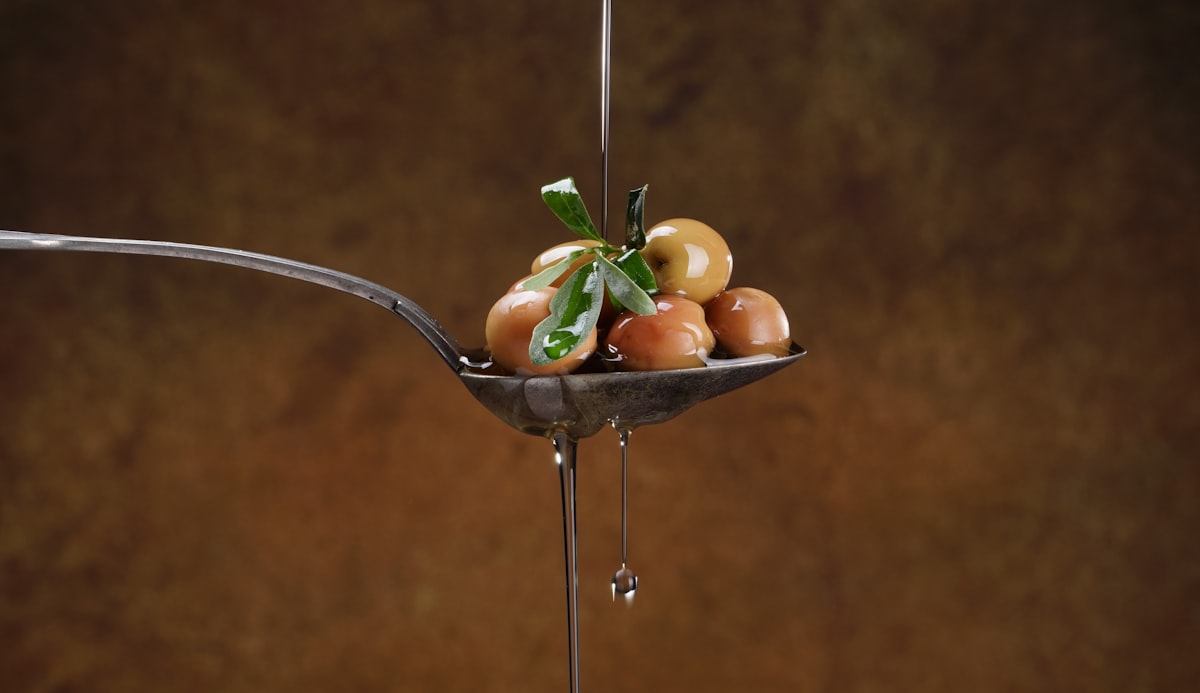
Transform Your Kitchen with Anti-Inflammatory Cooking
Discover evidence-based cooking methods that reduce inflammation and support your body's natural wellness. Learn gentle heat techniques, nutrient-preserving preparation, and flavor-rich recipes that nourish from the inside out.
At Cleanbodynutrition, we guide you through practical, science-informed cooking approaches. Whether you're new to anti-inflammatory eating or refining your skills, our educational content empowers you to make lasting changes in your kitchen and your life.
The information on this site is for educational purposes only and does not constitute medical advice. Always consult a qualified healthcare professional before making health decisions.
Why Cooking Methods Matter
Low-Heat Cooking Preserves Nutrients
High temperatures can damage heat-sensitive vitamins and create inflammatory compounds. Gentle steaming, poaching, and slow cooking preserve the nutritional integrity of whole foods, allowing your body to absorb more beneficial compounds.
Whole Foods, Minimal Processing
Whole grains, fresh vegetables, and unprocessed proteins form the foundation of anti-inflammatory eating. Simple preparation methods highlight their natural flavors while maintaining phytonutrients that support your wellness journey.
Flavor Without Irritation
Healthy cooking doesn't mean bland food. Fresh herbs, spices, and proper seasoning techniques create delicious meals that support your body's natural balance. Enjoy satisfying, nourishing food that aligns with your wellness goals.
Essential Anti-Inflammatory Cooking Techniques
Steaming & Poaching
Gentle moisture-based cooking preserves nutrients and prevents the formation of harmful compounds. Vegetables, fish, and proteins retain their delicate flavor profiles and maximum nutritional value when cooked this way.
Learn more →Slow Cooking & Braising
Long, low-temperature cooking breaks down tough fibers while maintaining nutrient density. This method creates tender, flavorful dishes that are easier to digest and rich in bioavailable minerals.
Learn more →Raw & Fermented Preparation
Uncooked vegetables and fermented foods deliver live enzymes and beneficial microbes. These raw preparations support digestion and provide maximum nutritional density when balanced with warm, cooked foods.
Learn more →Explore Our Recipe Collection
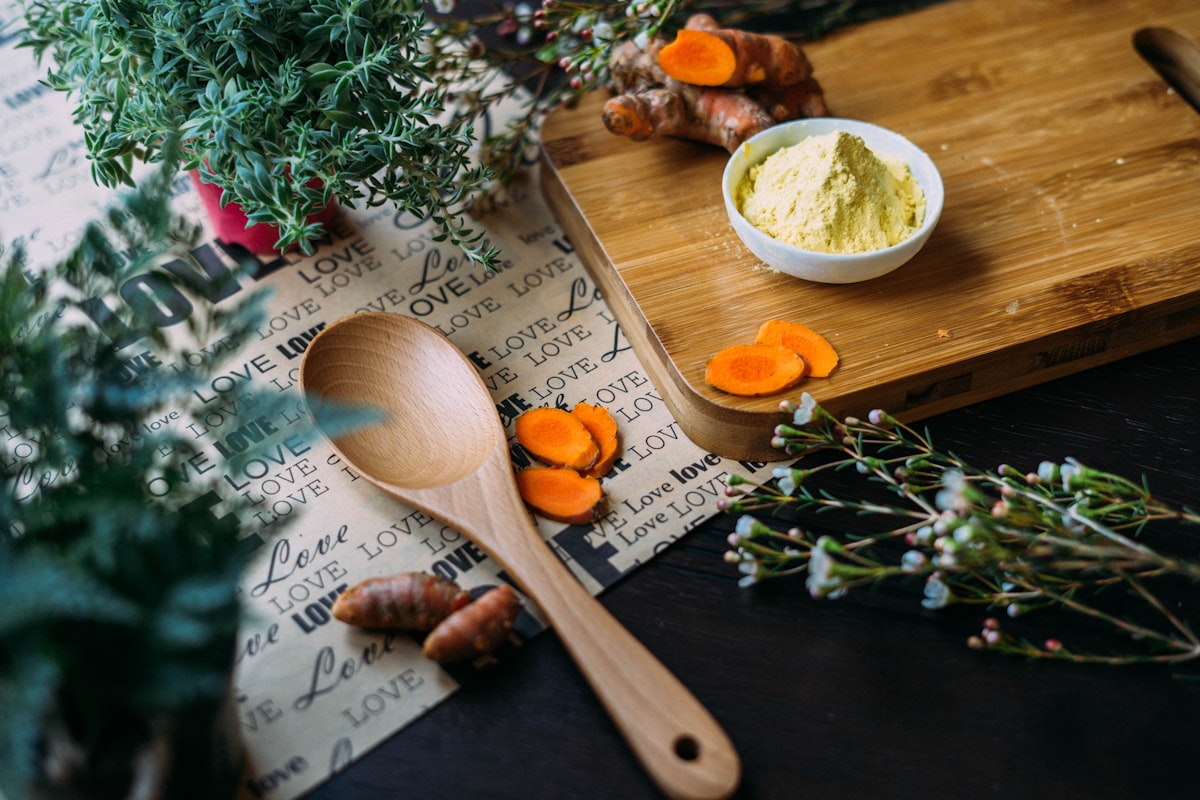
Steamed Vegetable Medley with Turmeric
A colorful combination of seasonal vegetables prepared using gentle steam, infused with anti-inflammatory turmeric and fresh herbs. Ready in 20 minutes.
Read recipe →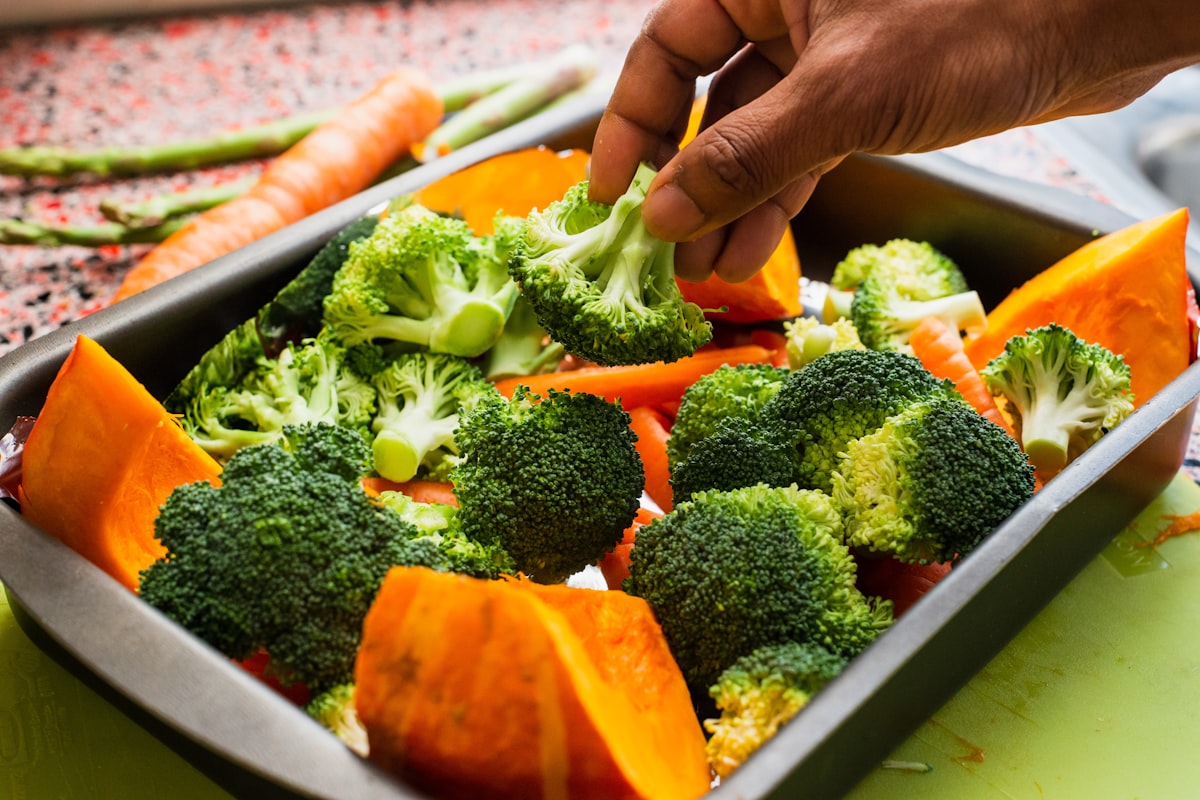
Nourishing Slow-Cooked Bone Broth
Traditional broth simmered slowly for deep flavor and mineral extraction. A foundational recipe for supporting joint and digestive wellness.
Read recipe →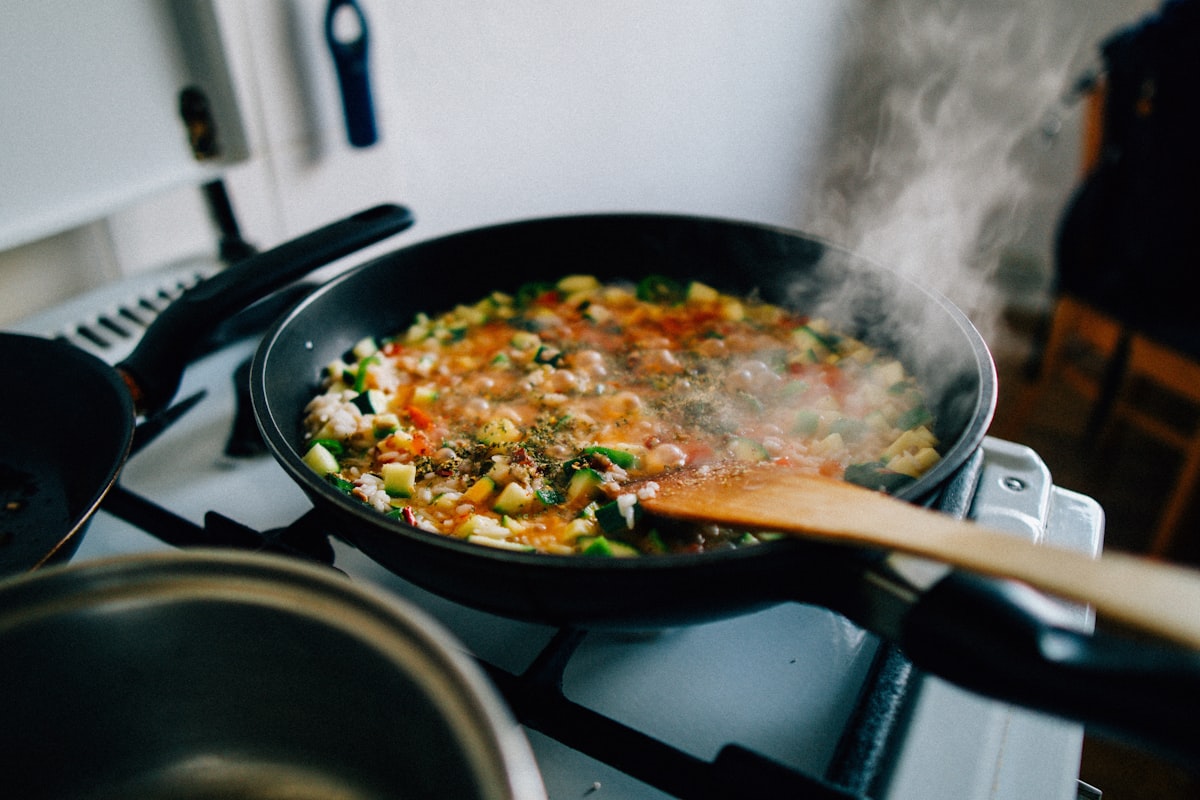
Raw Salad with Fermented Toppings
Fresh, raw vegetables paired with homemade fermented vegetables for digestive support. Combines maximum enzyme content with beneficial bacteria.
Read recipe →Reader Experiences
"The detailed explanations of cooking techniques completely changed how I approach meal preparation. I now understand why certain methods preserve nutrients better than others. My kitchen feels like a wellness space, and I'm enjoying cooking so much more. The recipes are practical and delicious—I've made the steamed vegetable medley three times already."
Siti Nurhaliza
Jakarta
"I was skeptical about low-heat cooking at first, thinking it would take forever. But the articles here showed me how to work efficiently with these methods. Now my family notices that meals feel lighter and more energizing. The bone broth recipe has become a weekly staple in our home. Highly recommend this resource."
Bambang Wijaya
Surabaya
"As someone managing my wellness through food, this site has been a game-changer. The science-based explanations help me understand the 'why' behind each technique, not just the 'how.' The fermented recipes are especially helpful—I never knew how simple it was to prepare food this way. Clear, honest, and genuinely useful information."
Dewi Lestari
Bandung
Latest Articles & Resources
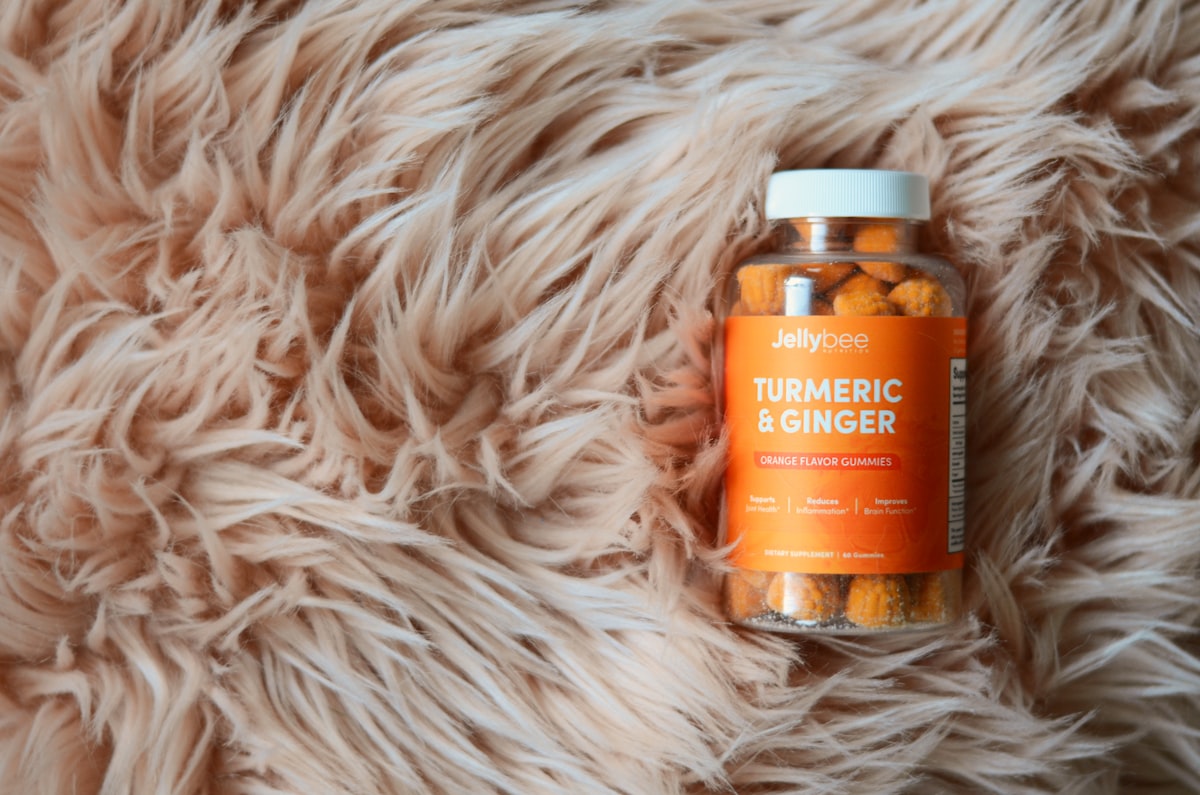
How Cooking Temperature Affects Nutrient Content
Explore the science behind heat-sensitive vitamins and why gentle cooking methods preserve the nutritional value of your food. Learn optimal temperature ranges for different ingredients.
Read article →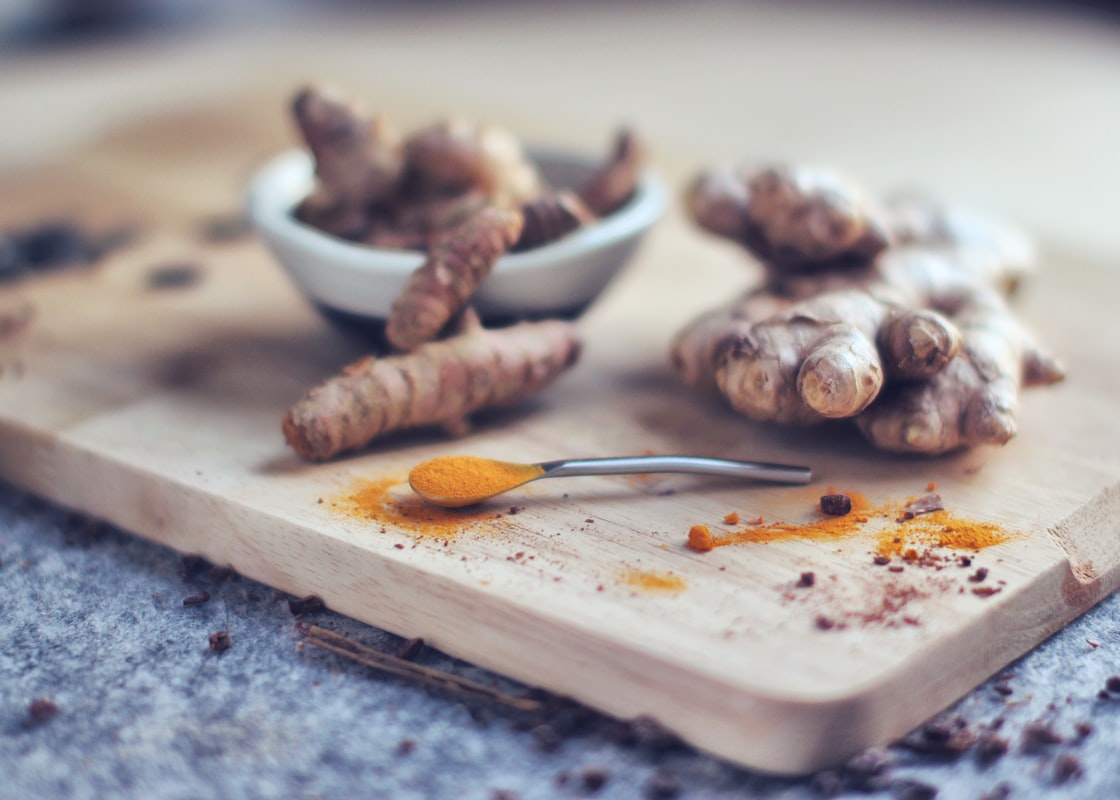
The Role of Fermentation in Digestive Wellness
Discover why fermented foods have been used for centuries across cultures. Learn simple fermentation techniques and which foods benefit most from this ancient preparation method.
Read article →Frequently Asked Questions
How long does it take to see changes in how I feel after adjusting my cooking methods?
Many people notice improved energy and digestion within 2-3 weeks of consistently using gentler cooking techniques. However, individual responses vary based on overall lifestyle, stress levels, sleep, and starting point. Consistency matters more than perfection. Some people experience shifts more gradually, which is completely normal and sustainable.
Can I use these cooking methods if I'm cooking for a family with different preferences?
Absolutely. Anti-inflammatory cooking methods create delicious, satisfying food that most people enjoy. Steamed vegetables, slow-cooked proteins, and fresh salads appeal to various palates. The recipes on our site include tips for flavoring dishes to suit different tastes while maintaining their nutritional benefits. Start with familiar ingredients prepared these ways.
Do I need special equipment to cook using these methods?
No. While nice-to-have tools include a steamer basket, slow cooker, and high-quality knives, you can begin with what you already have. A pot with a lid works for steaming, a regular pot handles slow cooking, and good cutting technique can be developed with any sharp knife. Our guides include adaptations for various kitchen setups.
Get Our Latest Guides & Recipes
Subscribe to receive new articles, recipe ideas, and cooking tips delivered to your inbox. No spam—just educational content from our editorial team.
We respect your privacy. Unsubscribe anytime in one click.
Ready to Transform Your Cooking?
Our comprehensive articles, recipes, and guides provide everything you need to master anti-inflammatory cooking techniques. Start your journey today and discover how small changes in food preparation can support your wellness goals.