
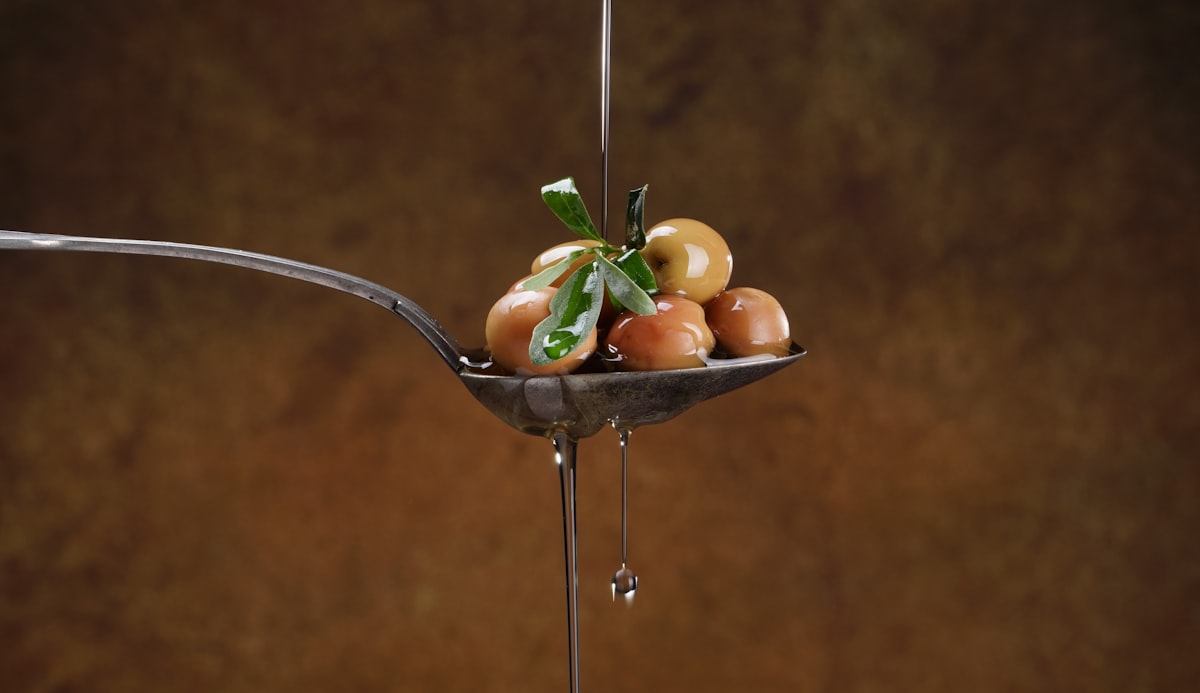
Mastering Low-Temperature Cooking for Maximum Nutrient Retention
Discover how gentle heat preservation techniques can maintain the bioavailability of heat-sensitive nutrients in your meals. Learn the science behind water bath cooking, steaming, and poaching methods that protect vitamins and beneficial compounds while creating delicious, nourishing dishes for your daily kitchen.
Read Full ArticleExplore by Topic
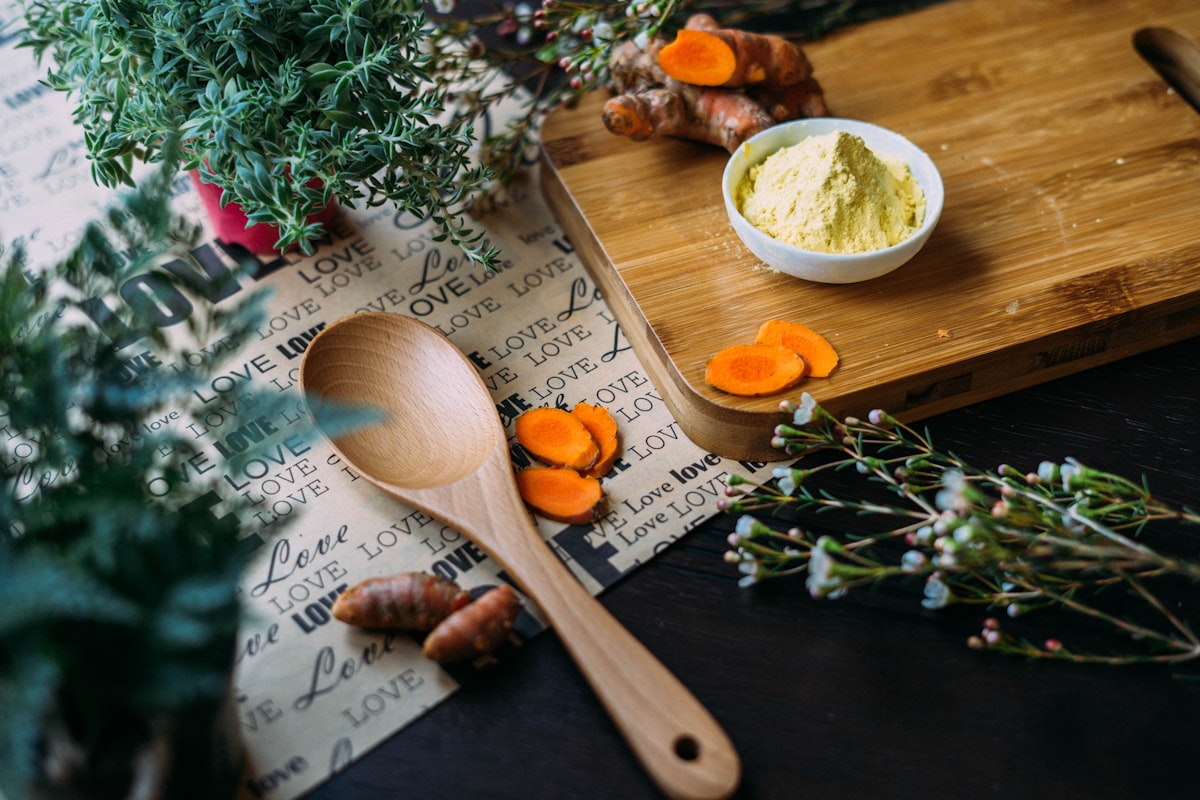
The Science of Steaming: Preserving Vitamins in Every Bite
Steam cooking uses gentle moisture and heat to cook vegetables while protecting water-soluble vitamins like B-complex and vitamin C. Explore why steaming ranks among the best methods for maintaining nutritional density while creating tender, flavorful meals that keep enzymes intact.
Read more →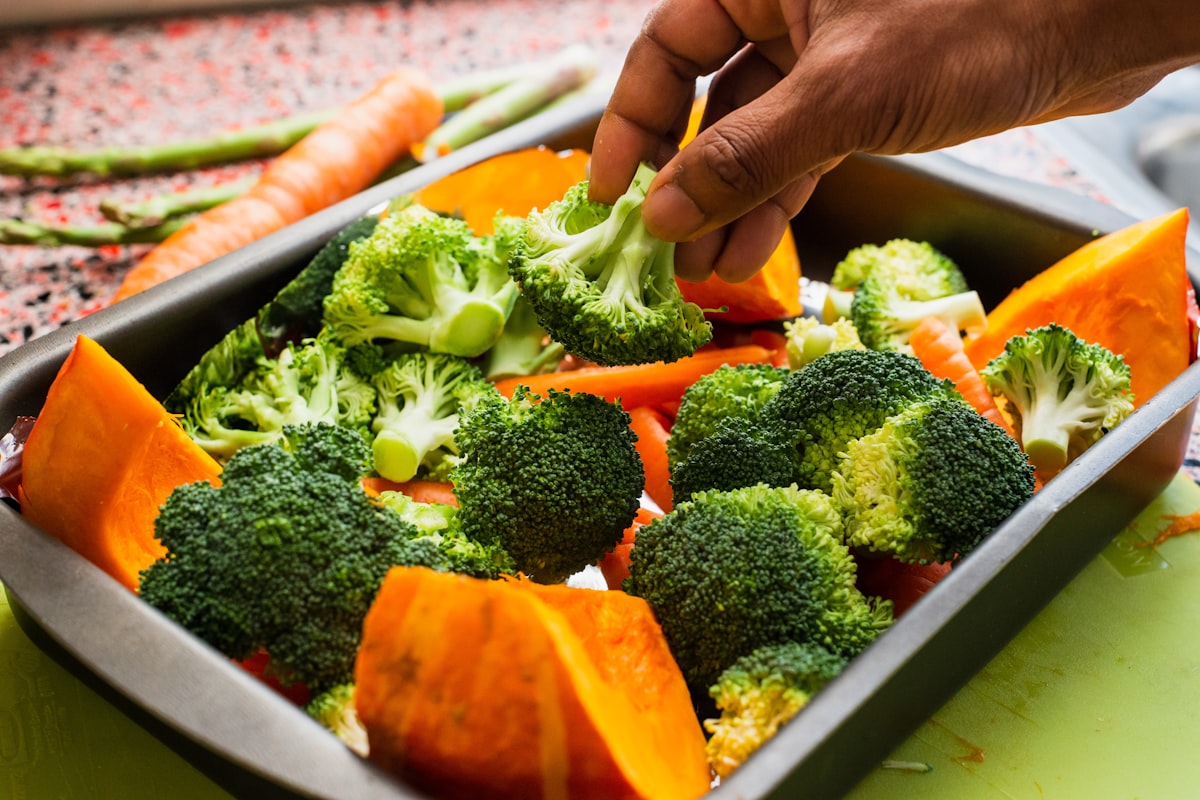
Slow Cooking Explained: How Extended Heat Times Extract Minerals
Long, low-temperature cooking breaks down connective tissue and releases minerals from bones and vegetables into broths and stews. Understand the chemistry behind collagen conversion and mineral bioavailability that makes slow-cooked meals particularly nourishing for your body.
Read more →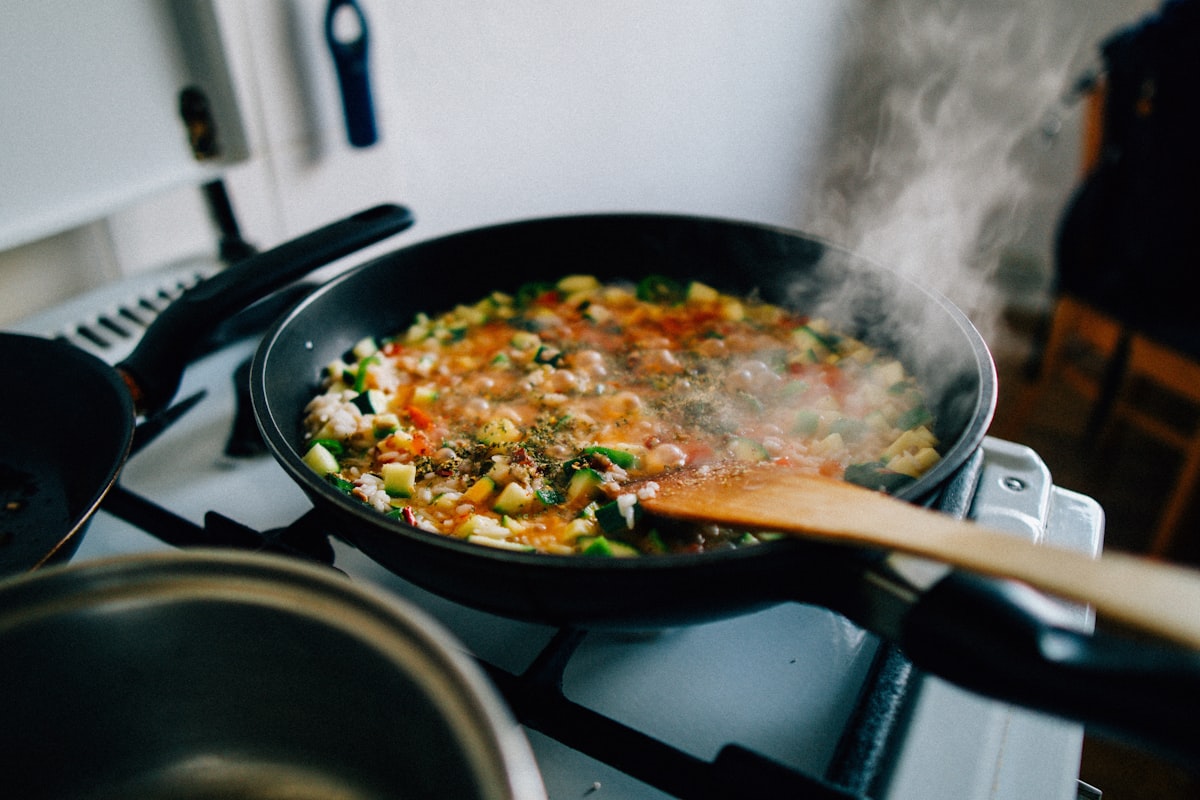
Raw vs. Cooked: Finding Balance for Complete Nutrition
Raw foods preserve heat-sensitive enzymes and certain nutrients, while cooking increases bioavailability of others like lycopene and beta-carotene. Discover how combining raw and lightly cooked foods creates a well-rounded approach to maximizing nutritional benefits from every meal.
Read more →
Poaching Proteins: Gentle Heat for Optimal Omega-3 Retention
Poaching fish and poultry in water or broth keeps temperatures below boiling, preventing oxidation of delicate omega-3 fatty acids. Learn how this ancient technique produces tender, moist proteins while preserving the beneficial fats your body needs for inflammation management and cellular health.
Read more →
Fermentation as a Cooking Method: Unlocking Enzyme Power
Fermentation uses beneficial bacteria and time instead of heat to transform foods, creating naturally enzyme-rich, probiotic-dense meals. Explore how traditional fermentation techniques make vegetables more digestible, increase nutrient absorption, and support your body's natural digestive processes.
Read more →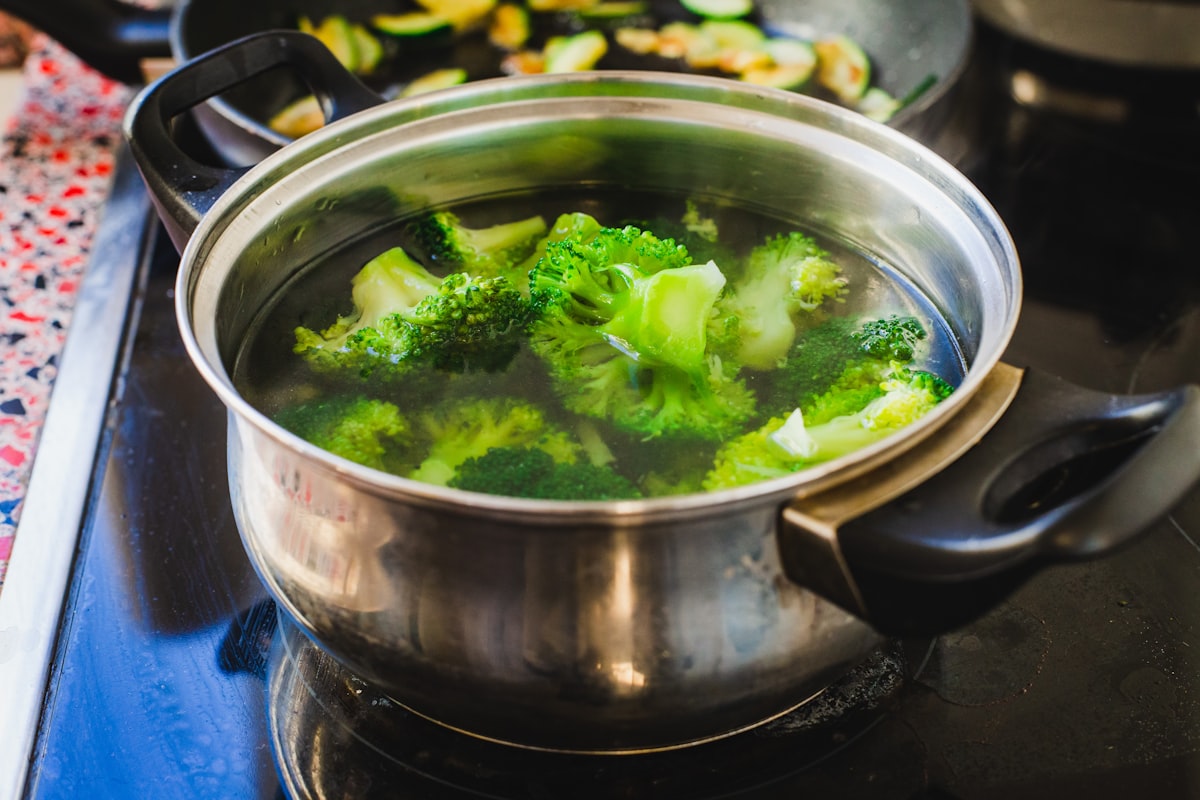
Sous Vide Cooking: Precision Heat for Nutrient-Dense Results
Sous vide uses precise, controlled water temperatures to cook sealed foods slowly and evenly. Learn why this modern technique prevents nutrient loss from high-heat oxidation, locks in moisture, and creates consistently tender results while maintaining the complete nutritional profile of your ingredients.
Read more →
Simmering vs. Boiling: Why Temperature Matters for Mineral Content
Simmering maintains steady temperatures below boiling, allowing minerals to gently dissolve into broths without volatile compounds being driven off. Discover how this slower approach creates deeply nourishing bone broths and vegetable stocks that support bone health and overall nutrient intake.
Read more →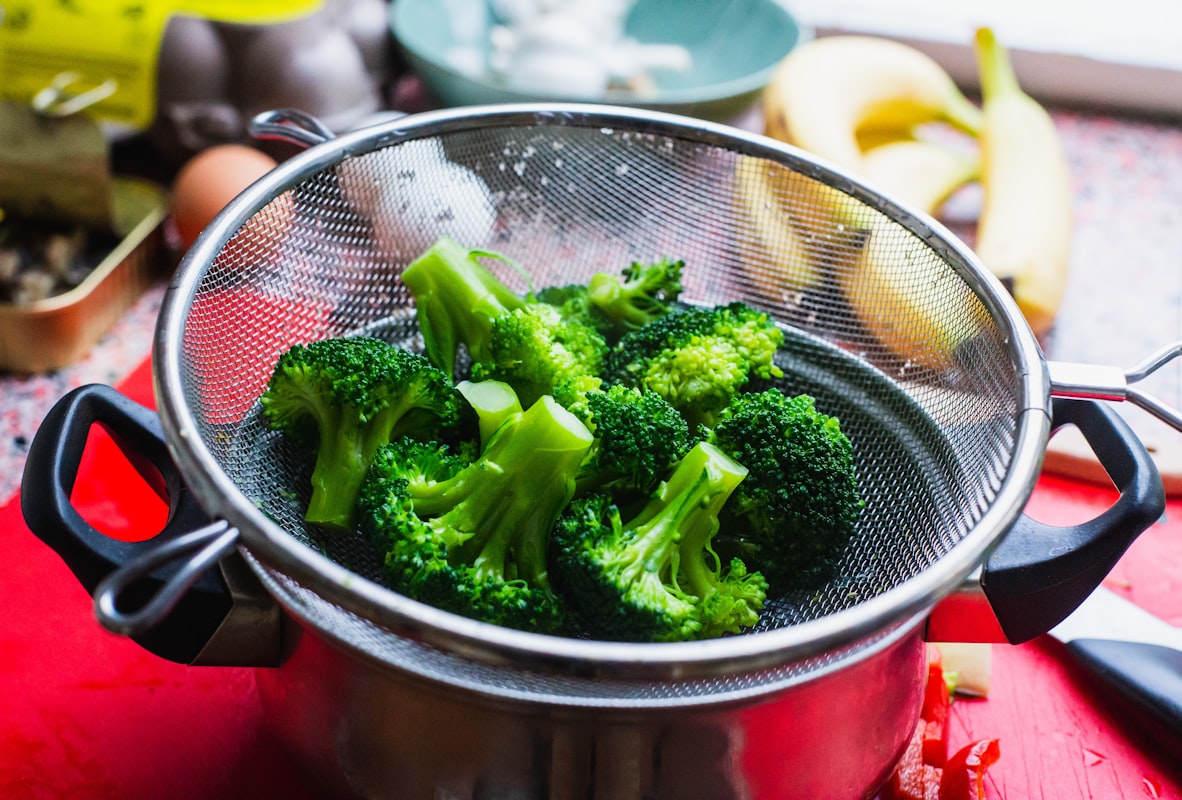
Blanching and Shocking: Quick Cooking for Enzyme Control
Blanching uses brief boiling followed by ice-water shocking to halt enzyme activity while preserving color and texture. Understand how this two-step technique gives you control over nutrient retention, prevents nutrient degradation during storage, and creates vegetables with optimal crunch and visual appeal.
Read more →The information on this site is for educational purposes only and does not constitute medical advice. Always consult a qualified healthcare professional before making health decisions.
Deepen Your Cooking Knowledge
Explore our comprehensive article library and discover evidence-based insights about preparing food in ways that support your wellness journey. Browse recipes, learn detailed techniques, and master the art of nutritious cooking.